


The Future of Vietnam’s Bird Nest Industry: Leveraging AI and Big Data for Sustainable Breeding and Management
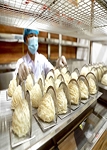
Vietnam's bird nest industry is booming and it largely has the Chinese market to thank for its success. China cannot cannot get enough of this unusual delicacy, which saw it important more than 454 tons of bird nests in 2022. Edible bird nests are not made from the usual twigs or leaves, as you may think, but from the dried saliva of swiftlet birds. They are used in traditional Chinese medicine to help with various health-related issues and are a popular ingredient for many soups and desserts, thanks to their rich flavor and high protein content. But while demand for edible bird nests is increasing and competition is fierce, Vietnam is in a good position, boasting over 23,00 swiftlet farms across 42 regions. However, the need for sustainable breeding and careful nest management is crucial. Fortunately, Artificial Intelligence (AI) and Big Data are on hand to support the birds nest industry through accurate monitoring, analysis and automation.
Vietnam’s In-Demand Bird Nest Industry
The lucrative edible bird nest industry has become a big player in Vietnam's economy, generating more than USD $125 million a year. However, it faces stiff competition from countries like Thailand and Indonesia, which are eager to boost their market share, especially in China. There are also the challenges posed by the swiftlet's four-month birth cycle and the potential for birdhouse overcrowding, causing stress to the birds, in turn impacting nest quality. And bird nest quality is what the industry relies on. It's also a traditionally labor-intensive industry that originally involved climbers scaling dangerous cliffs to harvest nests. But as you may expect, these methods are no longer sustainable. Thankfully, automated monitoring and data-driven insights offer safer ways for farmers to manage these challenges and enhance bird wellbeing, nest production and sustainability.
AI-Powered Monitoring for Bird Welfare
In recent years, Vietnam's bird nest industry has become more focused on bird welfare and sustainability, and not just because it's the right thing to do. The wellbeing of the birds directly impacts the quality of nests produced. AI-powered innovations like advanced monitoring systems can help bird nest farmers monitor the health and welfare of the birds and their nests. When put inside birdhouses, AI cameras and sensors can monitor bird behavior and health in real time. This can enable farmers to identify important patterns and trends. Take, for instance, predictive analytics, which can help farmers identify optimal breeding schedules and environmental conditions. Meanwhile, drones, equipped with thermal imaging and AI, can help to safeguard nesting birds. This innovative technology can go far beyond human capabilities and protect swiftlets' habitats from dangers posed by agricultural and human activities.
Innovative Solutions for Safer Coexistence
Remarkably, the relationship between swiftlets and humans has evolved over the years to become a mutually beneficial partnership. Many swiftlets are opting for safe nesting spaces in more sheltered residential areas, even inside homes. In return, people can harvest their nests. However, this form of domestication significantly raises the risk of bird collisions with buildings, particularly windows. For property owners concerned about the safety of their swiftlet neighbors, there are bird detection systems and specially designed glass with ultraviolet features that can help prevent these often fatal collisions. By reflecting UV light off the window, the birds understand that the space is occupied, rather than it being an open patch of sky they can fly through. This simple yet effective approach has the potential to save numerous lives of birds and enables them to coexist with their human neighbors more safely.
Automation and Efficiency
As the bird nest industry moves further away from the more traditional, hands-on, labor-intensive approach, automation can potentially boost both efficiency and bird nest sustainability. For instance, automated feeding systems ensure that farmers deliver precise nutrition to birds so they can stay healthy and, simultaneously ensure the quality of the nests. Robotic nest collectors can also help by carefully gathering nests without causing any stress to the swiftlets. While improving productivity, this minimal human intervention means less disturbance to the birds and their natural habitats. It also allows for precise data collection on important factors like temperature and humidity so farmers can ensure the birds and their nests have the best possible environment to thrive.
Big Data for Enhanced Nest Quality, Quantity and Sustainability
Big Data analysis allows farmers to analyze vast amounts of complex data, which can fuel data-driven processes. Bird nest farmers can use environmental monitoring to ensure swiftlet houses are sufficiently maintained so they offer optimal conditions for nesting. Quality assessment, meanwhile, uses high-resolution cameras and image analysis software to identify the best-quality nests for farmers to harvest. Big Data analysis can also fuel market insights, which producers can use to guide their pricing and marketing strategies. It can also be used to make supply chains more efficient. Producers can also meet their sustainability goals by using the data to assess the environmental impact and their quality control systems, which ensure only the very best nests are harvested.
Technology continues to play an important role in Vietnam's edible bird nest industry, with AI and Big Data offering innovative solutions for sustainability, efficiency, and quality that will help Vietnam secure its position as a world leading edible bird nest producer.
Source: Nina Kelly
More stories
- New-generation FTAs open wider export opportunities to Middle East and South Asia
- The new FTA provides a boost for Vietnamese goods to enter the Halal market
- Patents become new competitive weapon for cooperatives
- Resolution 10-NQ/TW marks significant upgrade in Viet Nam’s FDI approach
- DDG Nordquist: WTO remains the foundation of global trade despite growing challenges