


Vietnam’s pangasius exports hit $1.8 billion but face new Chinese rivals
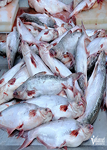
Vietnam’s pangasius, a billion-dollar export, thrives in China but now faces significant competition from domestically produced snakehead fish.
Vietnam’s pangasius industry, valued at over $1 billion annually, is navigating both success and challenges in China, its largest market. In the first 11 months of 2024, pangasius exports reached $1.8 billion, a 10% increase from the same period in 2023, with $500 million generated from China alone, according to the General Department of Customs.
While China remains a crucial market, consuming over 12,500 billion VND (approximately $500 million) worth of Vietnamese pangasius so far this year, the industry faces intensifying competition from China’s domestically produced snakehead fish.
Vietnamese pangasius dominates, but rivals emerge
Pangasius remains highly popular in China due to its affordability compared to local freshwater fish like carp and tilapia. Widely used in home cooking, the fish has also become a staple at restaurants and casual dining chains in major cities like Beijing. Additionally, frozen fillets are favored in supermarkets, particularly for children, thanks to their clean, soft texture.
However, China’s growing snakehead fish industry is creating new challenges. Snakehead fish share similarities with pangasius in texture, flavor, and culinary use, making them direct competitors. In 2024, China is expected to produce 800,000 tons of snakehead fish, with 40% allocated to processing facilities and the remainder sold live.
Declining imports, growing domestic supply
China’s domestic snakehead production is increasingly replacing imported pangasius. In 2020, China imported over 200,000 tons of frozen pangasius fillets from Vietnam. By 2023, that number fell to 106,000 tons. For the first eight months of 2024, only 51,000 tons of pangasius were imported - lower than during the height of the COVID-19 pandemic.
The Vietnam Association of Seafood Exporters and Producers (VASEP) attributes the decline to a combination of factors, including China’s slowing economy, increased domestic fish production, and a more diverse supply of white fish available to Chinese consumers.
To maintain their position in China, Vietnamese exporters must innovate by diversifying products, improving quality, and reducing costs. Meeting stringent food safety and hygiene standards will also be crucial as competition stiffens.
Vietnam’s pangasius industry is on track to reach $2 billion in exports for 2024, underscoring its resilience and strong global demand. However, the rise of local competitors in China serves as a reminder of the need for continuous adaptation to sustain long-term growth.
Source: Vietnamnet
More stories
- USTR Makes Findings and Proposes Action in 60 Section 301 Investigations Relating to Failures to Take Action on Trade in Forced Labor Goods
- [VCCI] The US officially initiates a Section 301 Investigation into Vietnam on Intellectual property
- General Secretary and President To Lam's working visit to three ASEAN countries: Demonstrating the stature of proactive and constructive diplomacy.
- Viet Nam accelerates innovation drive as skilled workforce becomes key to science and technology growth
- The US is increasing controls on AI chip exports