


What does Japan do in response to China's seafood ban?
06/09/2023 139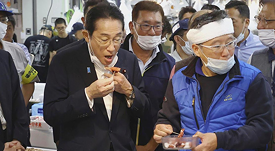
Most viewed articles


The Japanese government has just announced a new aid package worth 20,7 billion yen ($141 million) to help export businesses affected by the seafood import ban imposed by China recently.
According to Prime Minister Fumio Kishida, the new aid will be in addition to the 80 billion yen previously allocated by the Japanese government to help seafood businesses stay afloat and combat reputational damage for seafood businesses. products of this country.
The aid money will also be used for the government to purchase and preserve seafood while Japan finds new export markets to replace China. Officials said Japan plans to export seafood to the US, Europe, the Middle East and some Southeast Asian countries.
Japan's decision comes after China immediately imposed a comprehensive import ban on Japanese seafood products to protest the country's discharge of treated wastewater from nuclear power plants. Fukushima to the Pacific Ocean on August 24. This plant was destroyed in the 8 earthquake and tsunami.
Prime Minister Fumio Kishida urged Japanese people to eat more seafood to help the local industry be less affected by the Chinese ban. Photo: DW
China is Japan's largest seafood import market with 42,5% of total turnover, (of which 20% comes from Hong Kong), so this move has dealt a huge blow to the seafood industry. Japan, affecting prices and sales of products as far away from Fukushima as the northern island of Hokkaido.
According to Tokyo-based market research firm Teikoku Databank, more than 700 Japanese companies will be affected by the ban.
Japanese officials have sought to reassure the public that seafood from Fukushima is safe. Last week, Mr. Kishida and US special envoy to Japan Rahm Emanuel visited the area and ate local fish in front of TV cameras.
Japan has filed a counter-claim to the World Trade Organization (WTO) because China's seafood import ban is completely unacceptable, and calls on China to immediately withdraw this ban. .
The Japanese government also confirmed that it has been monitoring the discharge in layers to ensure transparency since the beginning of the discharge. They also confirmed that all seawater and fish samples taken since the discharge of the treated wastewater were well below the regulatory safe limits for radiation..
Source: Vietnam.vn
- China retaliates against US blacklist, targets defence and rare earth firms with export controls
- Rising global shipping costs put pressure on Viet Nam’s seafood exporters
- Customs force tightens crackdown on intellectual property-infringing goods
- Continued resilience of Viet Nam's economy
- Viet Nam’s trade deficit raises structural concerns: opinion