


Most viewed articles


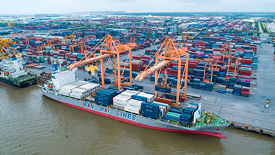
According to Singapore's maritimefairtrade.org website, seaports in Southeast Asia, especially in Viet Nam and Malaysia, are witnessing strong growth due to changes in the global trade landscape stemming from US President Donald Trump's policy of imposing additional tariffs on Chinese goods.
Specifically, many businesses have sought to diversify their supply chains and shift production and business operations to minimize risks from global tariff tensions. Businesses having to review their supply and transportation strategies has increased activity at ports in Viet Nam and Malaysia.
However, experts say this is only temporary as geopolitical tensions and trade policy uncertainty influence business decisions, not to mention infrastructure constraints that could erode this advantage. To remain competitive, Viet Nam and other regional players need to invest in upgrading port infrastructure, improving logistics and reducing congestion.
Source: Tin Tuc News
- USTR Makes Findings and Proposes Action in 60 Section 301 Investigations Relating to Failures to Take Action on Trade in Forced Labor Goods
- [VCCI] The US officially initiates a Section 301 Investigation into Vietnam on Intellectual property
- General Secretary and President To Lam's working visit to three ASEAN countries: Demonstrating the stature of proactive and constructive diplomacy.
- Viet Nam accelerates innovation drive as skilled workforce becomes key to science and technology growth
- The US is increasing controls on AI chip exports